
My Phone Showroom, day 1: from sketches to a 3D table
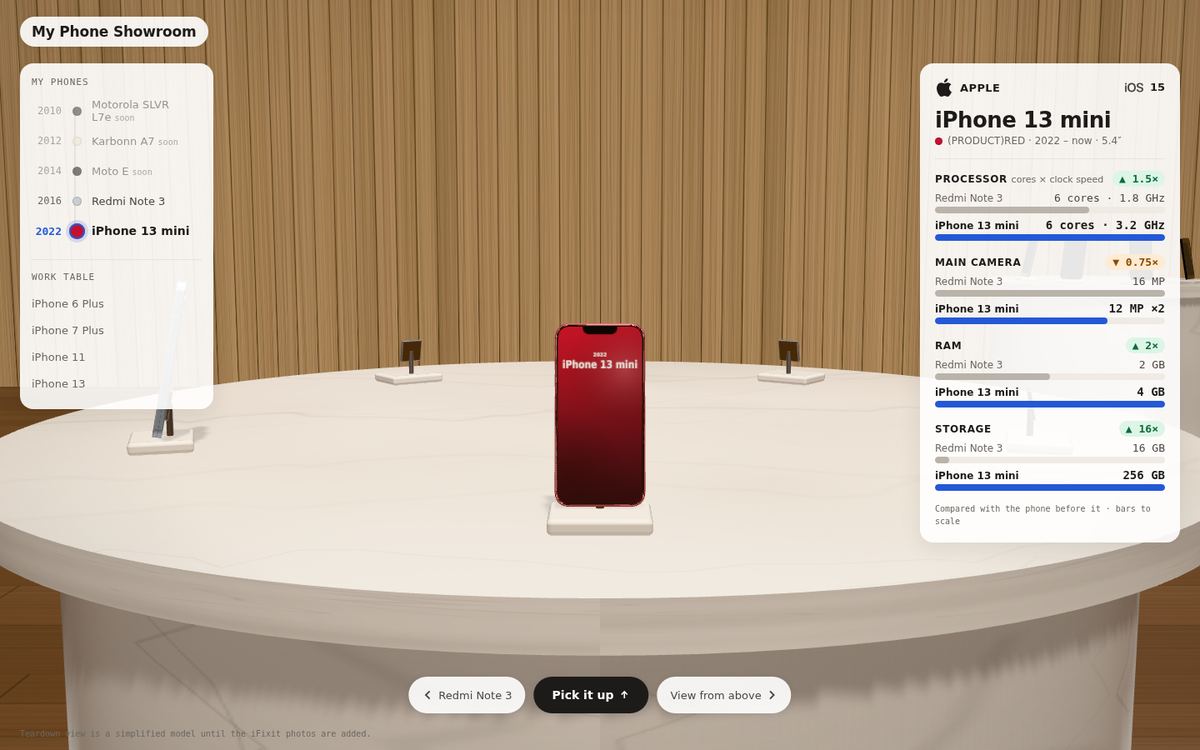
Day 1 of Rahul's 3D showroom of every phone he has owned: nine mockups, one round table, and five phones you can pick up and open.
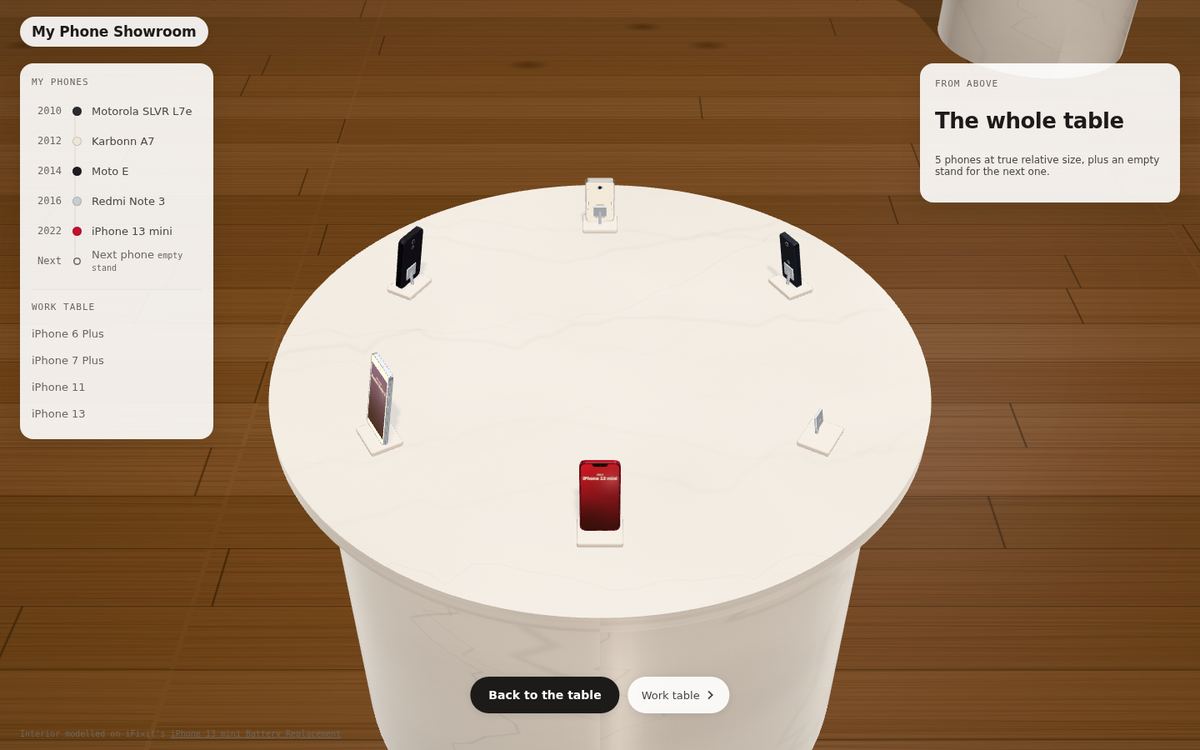
Rahul wanted one page for every phone he has owned. Five personal phones since 2010. Today it went from "what if" to a working 3D room: his phones stand around a round showroom table, and you can pick any of them up, turn it around and open it.
Live at phones.rr2.dev. Code: r-r-2/phones. Built with Claude Opus 5.5.
Where it ended up
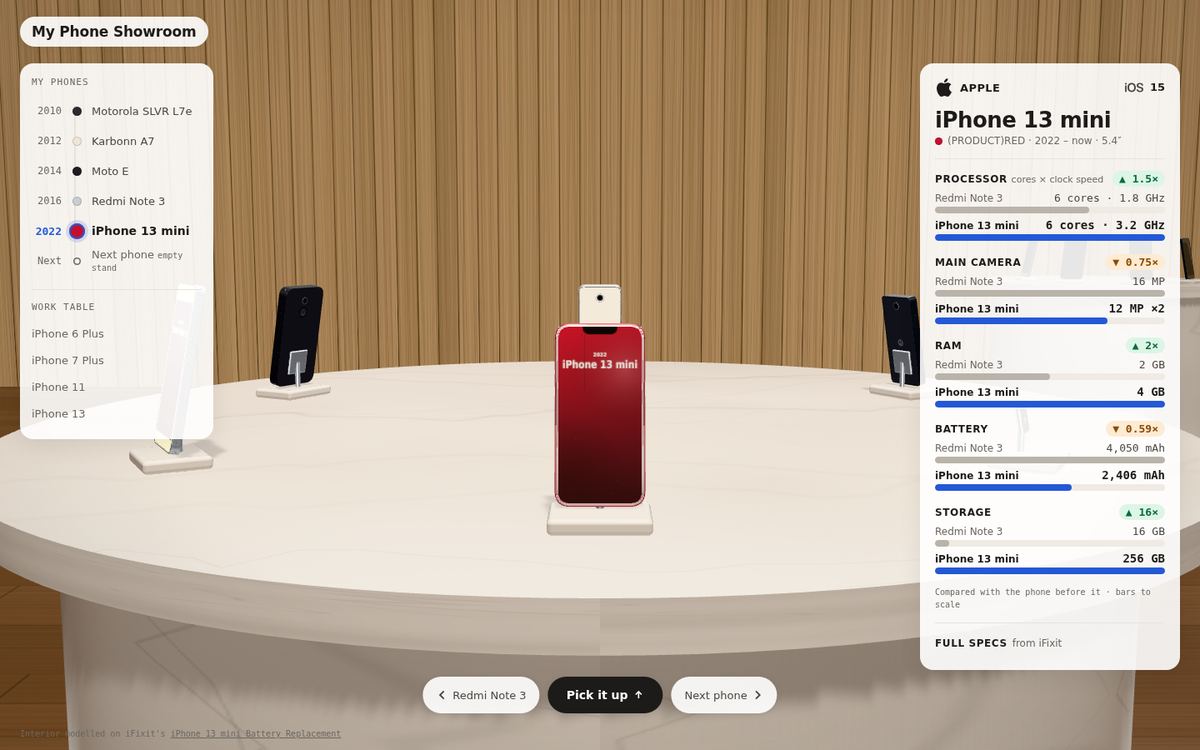
- Five phones: Motorola SLVR L7e (2010), Karbonn A7 (2012), Moto E (2014), Redmi Note 3 (2016), iPhone 13 mini (2022).
- An empty stand after the iPhone. Rahul is thinking about a new phone.
- Four company phones on a smaller table at the back.
- Every phone is built at its real size, so the lineup is to scale.
Nine mockups before any code
Nothing got built until the look felt right. These are the directions Rahul went through, in order.
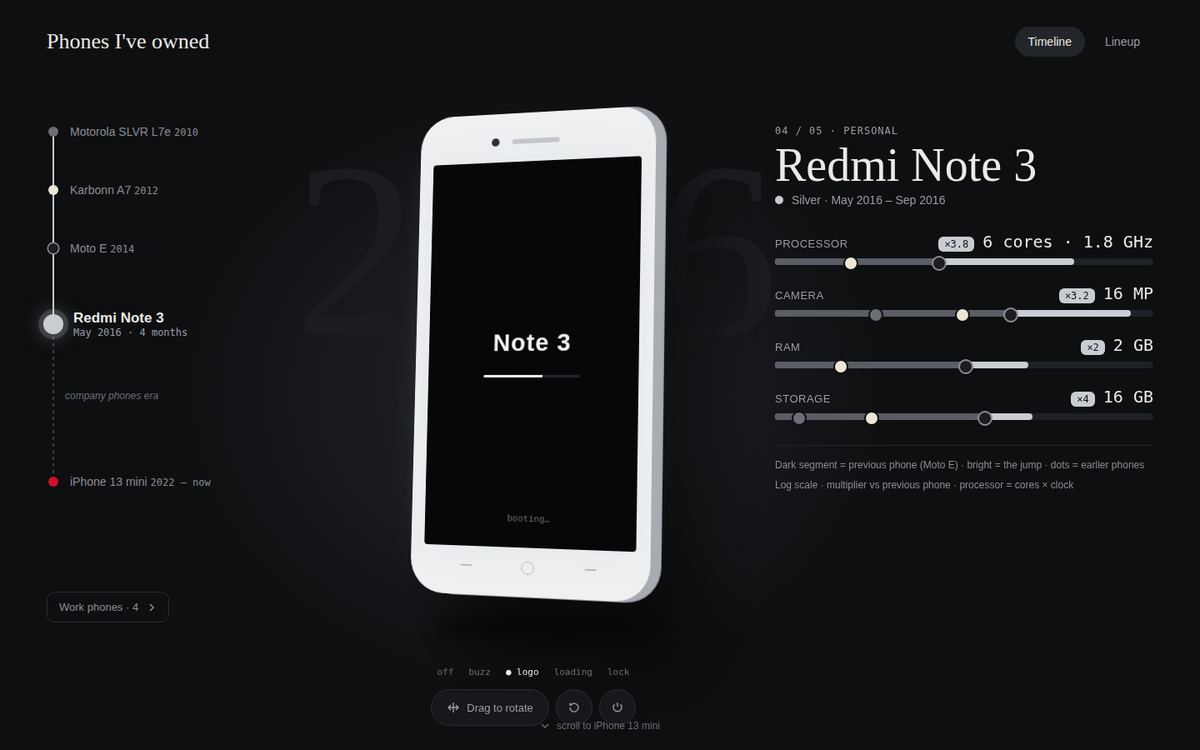
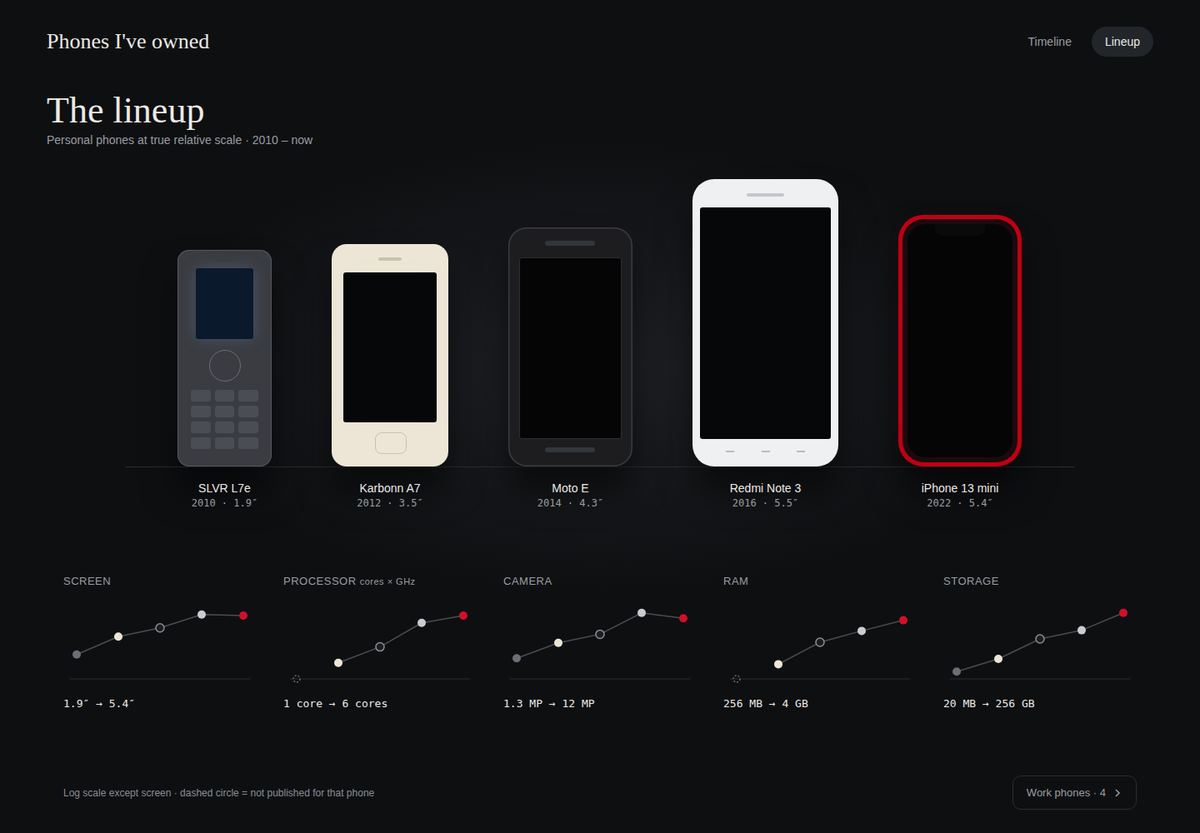
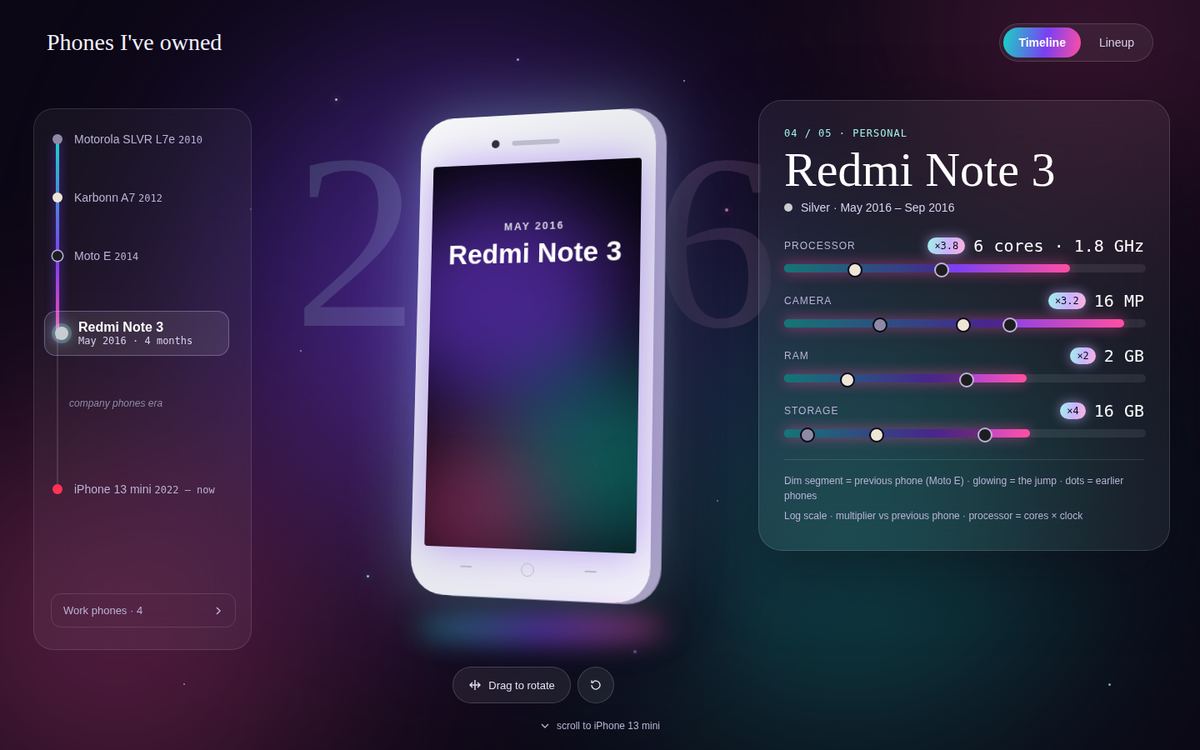
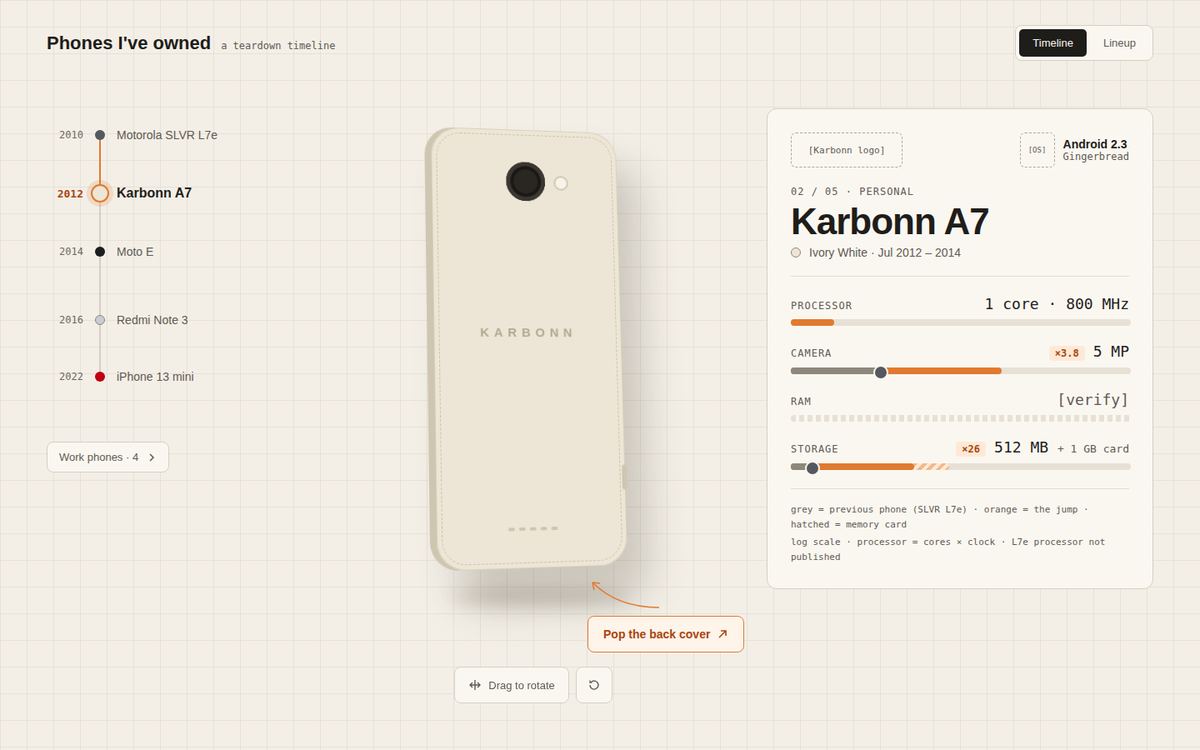
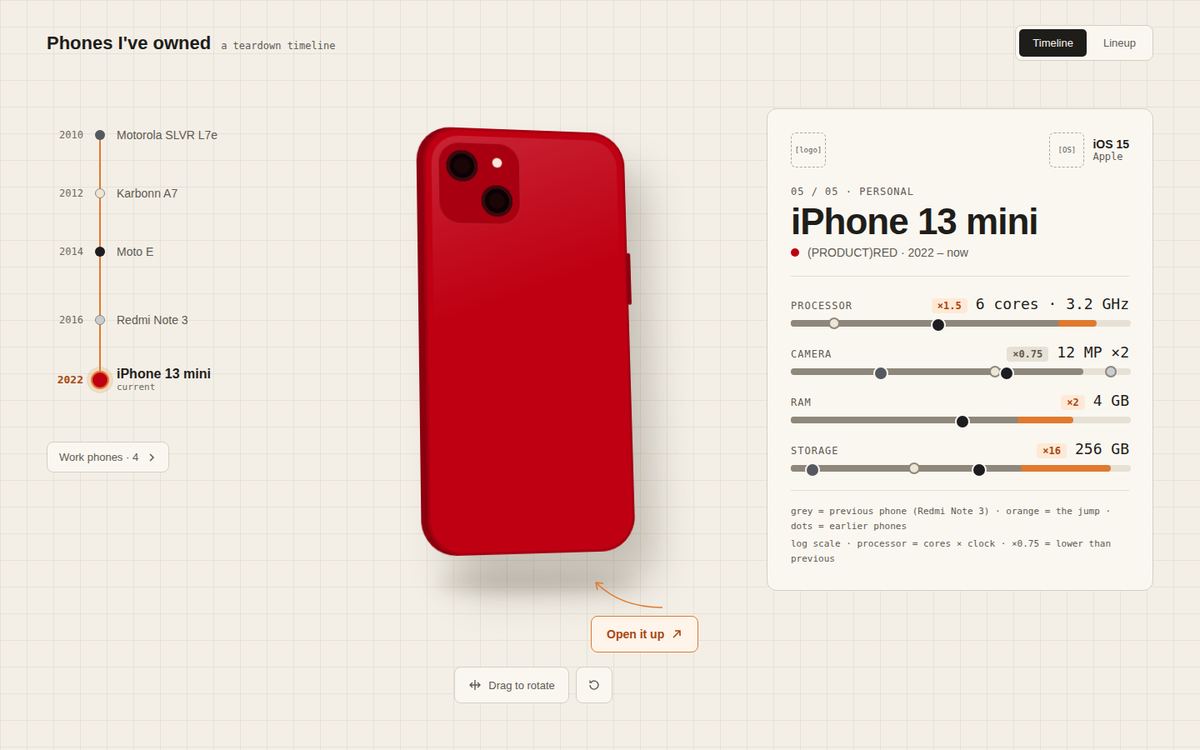
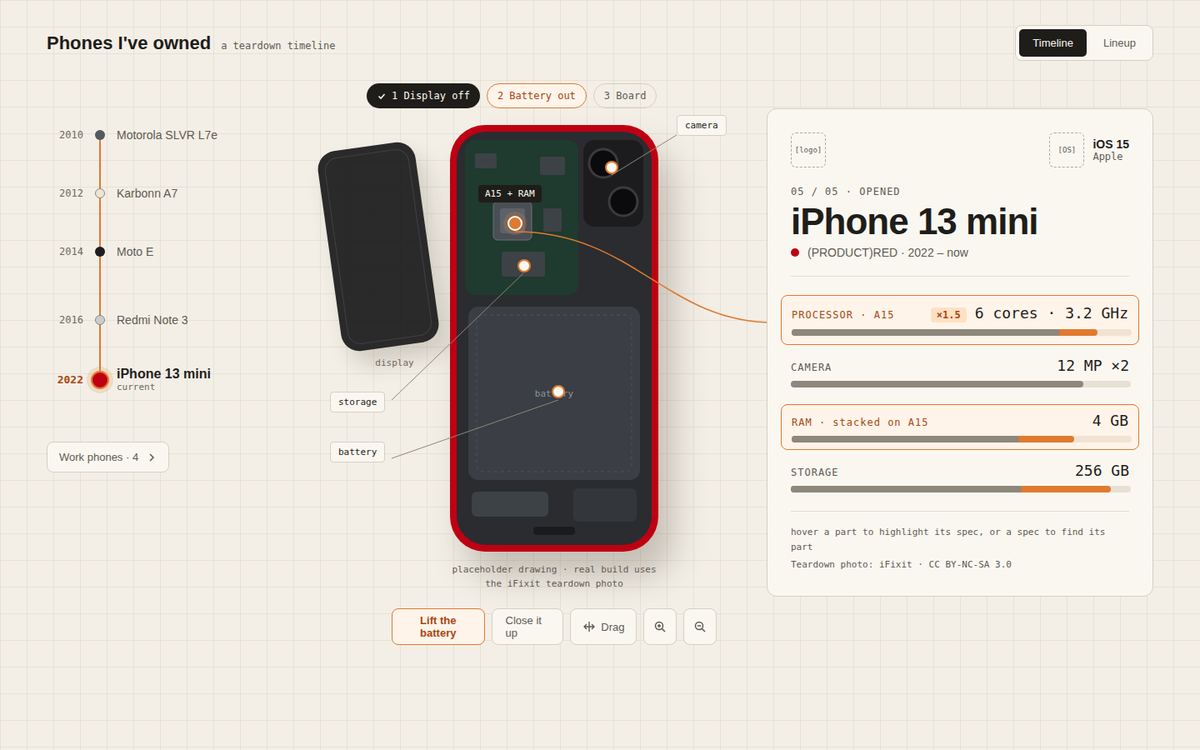
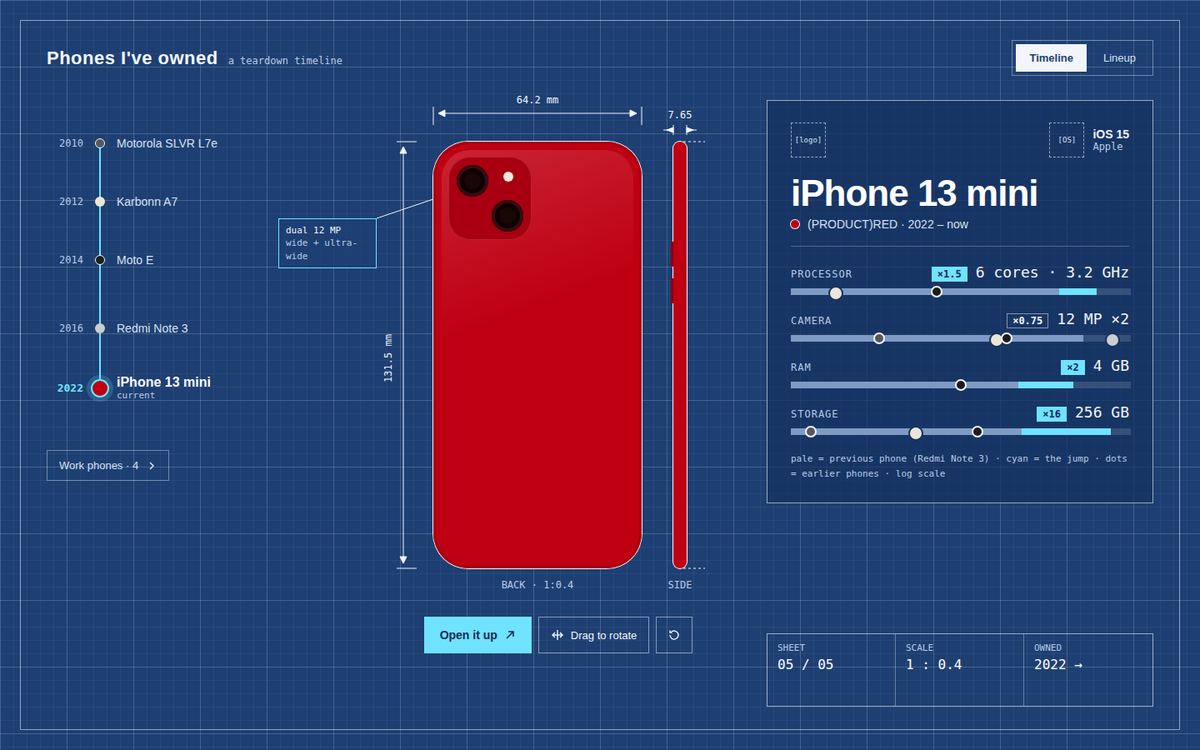
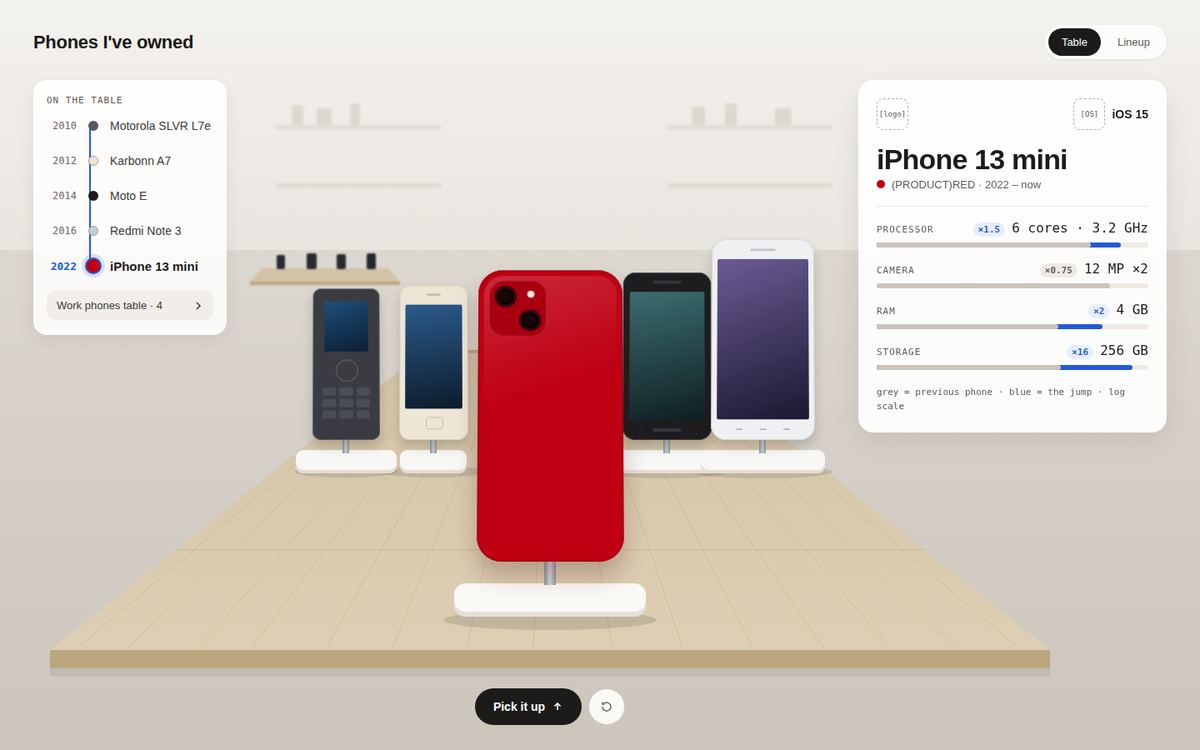
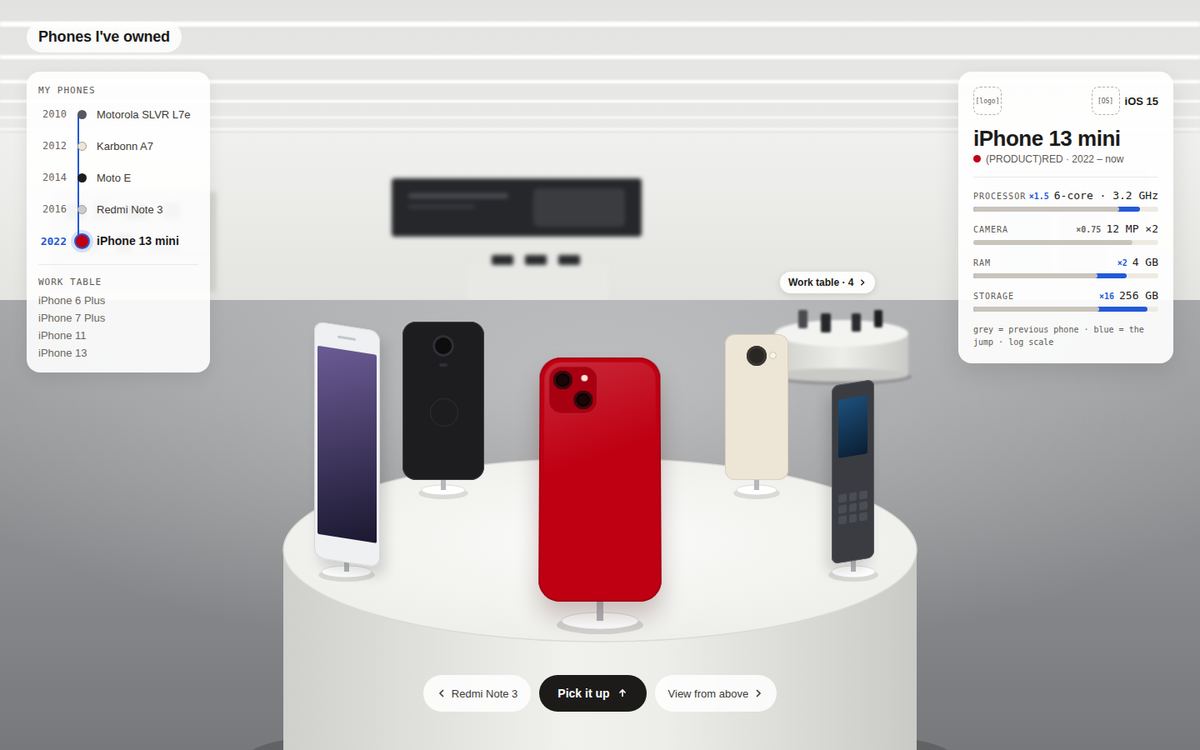
What got cut along the way:
- Boot screens. The real ones couldn't be found, and fake ones felt wrong.
- The holographic look.
- The big faded year behind the phone.
- The dotted "company phones era" line.
What stayed: the year on the left of the list, neutral specs (numbers, no sentences), full 360° rotation, and the look inside.
Building it
Vite, Three.js and GSAP. The first build had only two phones, to check the idea.
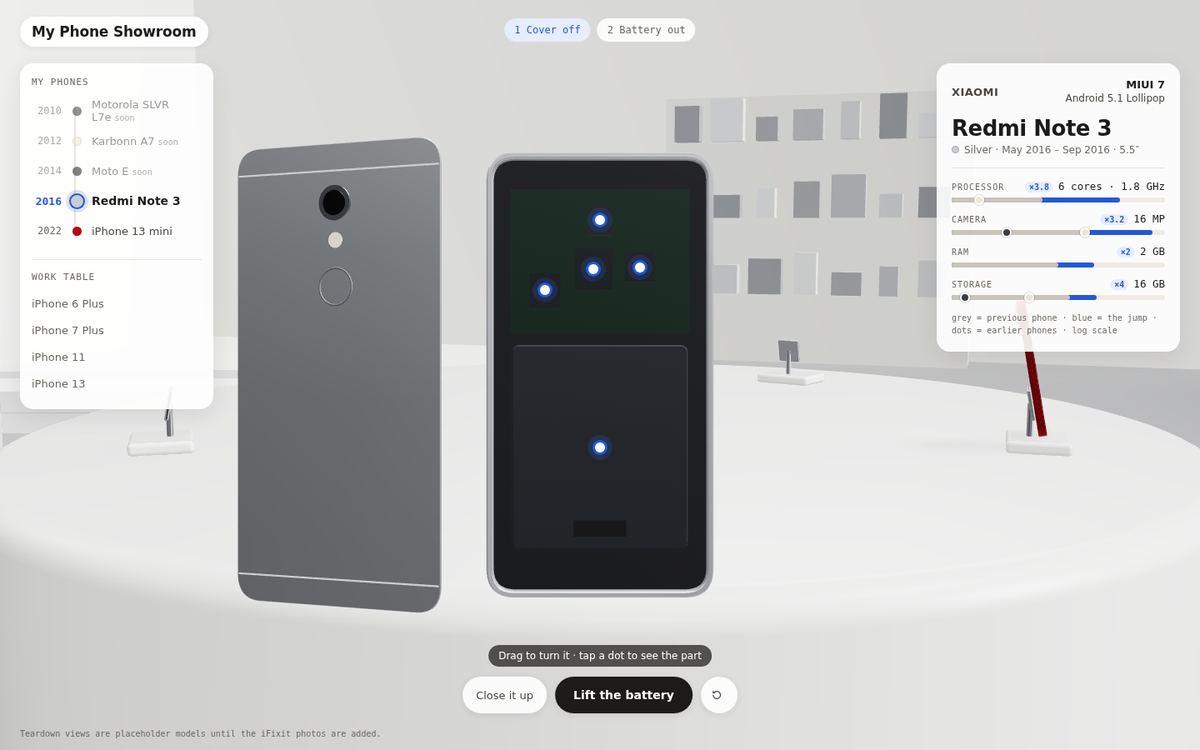
Then a round of fixes:
- Flicker when moving between phones. The floor and the room box were fighting for the same pixels. Split them apart.
- Looked like toys. Swapped the room for a wooden floor and walls, and marble white tables.
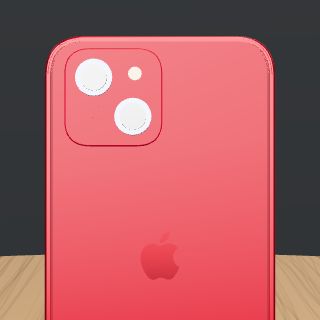
- Pink iPhone. The (PRODUCT)RED back came out pink, then brownish from the wood reflections. Phones now reflect a neutral studio light instead of the room.
- Specs hard to read. Now each spec shows the previous phone and this one as two bars, with a ▲ or ▼ jump.
Looking inside
The insides are 3D parts built in code. Rahul used iFixit teardown photos as the reference for where things sit: board, shields, chip, flex cables, camera, battery. Open a phone and dots on the parts link to the spec panel. The battery lifts out.
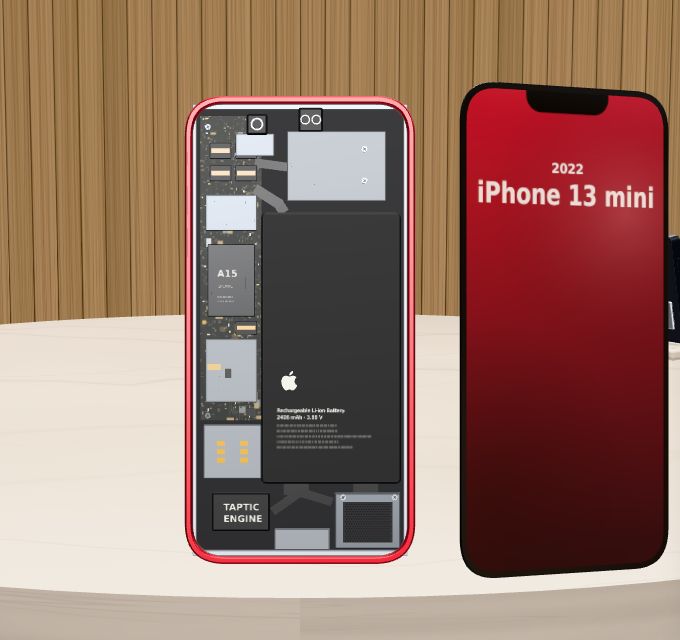
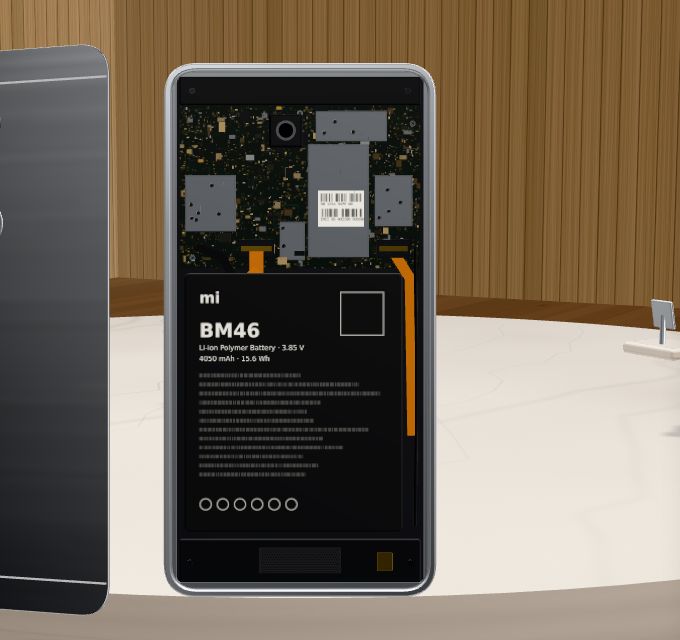
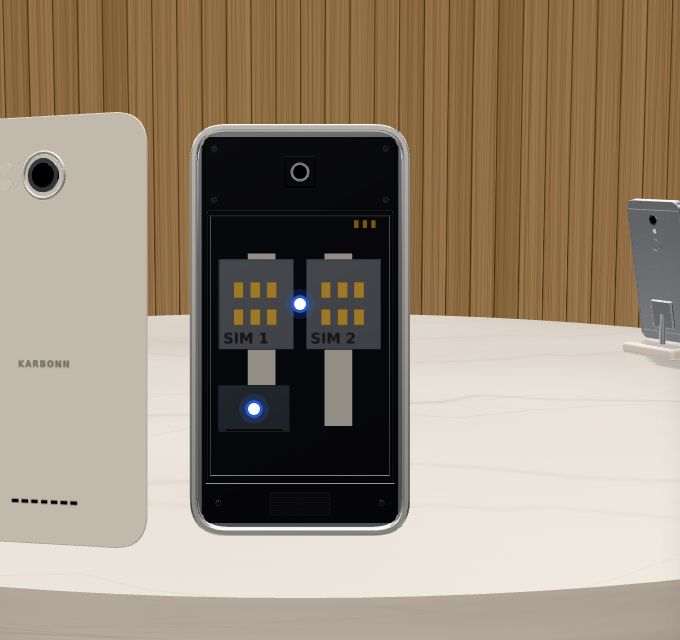
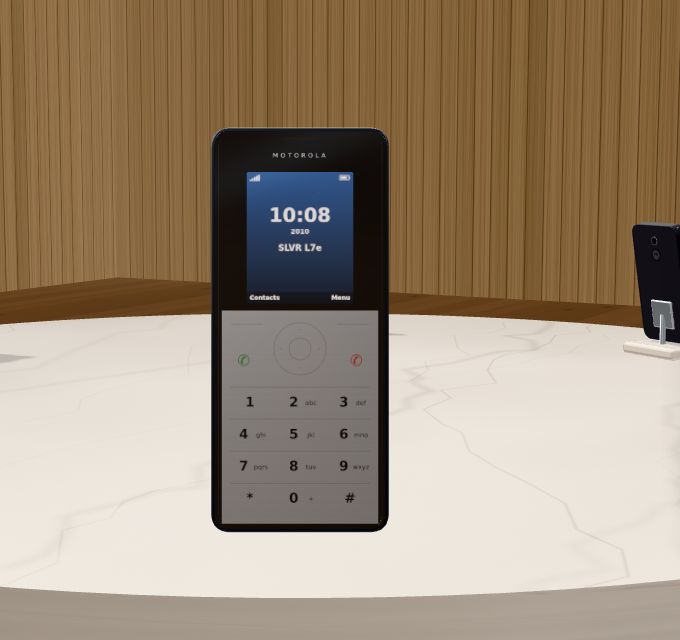
Small touches: the Karbonn and Moto E carry a "Custom ROMs" tag, because Rahul flashed both of them. And the view from above shows the whole table at once.
Next
- Make it more realistic.
- Redo the spec sheet. Rahul isn't happy with how it looks yet.
- Fill the empty stand. Rahul needs to buy a new phone soon.